
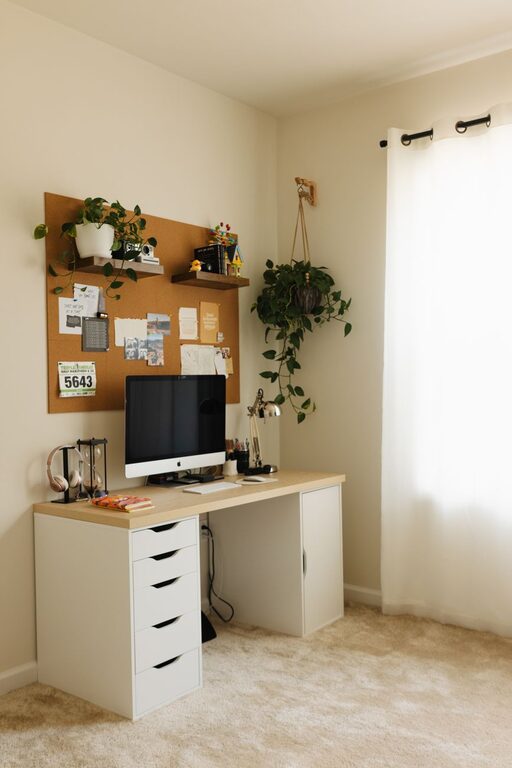
Creating a comfortable and efficient workspace at home can significantly boost your productivity and overall work experience. Whether you’re working remotely full-time or just need a designated area for occasional work, having an organized workspace helps minimize distractions and streamline your daily tasks. In this post, we’ll explore practical tips for designing a more organized and productive home workspace.
Why an Organized Workspace Matters
An organized workspace contributes to clearer thinking, reduces stress, and helps you stay focused on your tasks. When your surroundings are clutter-free, it’s easier to find what you need and avoid wasting time searching for supplies or documents. This sense of order encourages a productive mindset and enhances motivation.
Choosing the Right Location
Evaluate your space
Start by identifying a dedicated spot in your home where you can set up your workspace. Ideally, this area should be quiet, well-lit, and away from common distractions like the television or household traffic.
Maximize natural light
Natural light can boost your mood and energy. Position your desk near a window if possible. If that’s not an option, invest in good quality task lighting to reduce eye strain.
Organizing Your Desk and Supplies
Clear the clutter
Begin by clearing off your desk. Keep only the essentials within arm’s reach — like your computer, phone, a notebook, and frequently used stationery. Store other items elsewhere to prevent clutter.
Use organizers and storage solutions
Drawer dividers, trays, and file holders can keep papers and supplies orderly. Vertical storage, such as shelves or wall-mounted organizers, helps save desk space.
Keep cords managed
Tangled cords can add to visual clutter. Use cable organizers, clips, or ties to keep cords neat and prevent them from getting in the way.
Establishing a Functional Layout
Ergonomics count
Arrange your workspace so your monitor is at eye level, feet flat on the ground, and wrists straight while typing. An ergonomic chair and adjustable desk can make a big difference in comfort.
Designate zones
If space allows, create different work zones, like one area for computer work, another for writing or brainstorming, and a spot for storage or reference materials.
Maintaining Organization Daily
Set a routine for tidying up
Spend five minutes at the end of each workday clearing your desk and filing loose papers. This daily habit prevents buildup of clutter.
Use digital tools wisely
Keep your digital files organized with folders and regularly scheduled cleanups. Avoid letting your desktop and downloads folder become a digital junk drawer.
Prioritize with to-do lists
Whether on paper or via an app, keep a to-do list to manage tasks and deadlines. This keeps your day focused and reduces the mental load.
Minimizing Distractions
Manage noise
Consider noise-cancelling headphones or background music to block out disruptions. If you live with others, communicate your work hours to limit interruptions.
Control smartphone use
Keep your phone on silent or in another room when deep focus is needed. Use apps that limit notifications during work periods.
Keep personal items in check
While personal touches make a space feel welcoming, too many items can distract. Limit decor to a few meaningful or inspiring objects.
Adding Personal Comfort and Inspiration
Incorporate greenery
Plants can enhance your environment by improving air quality and adding visual appeal. Choose low-maintenance options like succulents or pothos.
Personalize thoughtfully
Display photos, artwork, or motivational quotes that inspire you, but avoid overcrowding your space.
Optimize temperature and air flow
Make sure the room temperature is comfortable, and consider a fan or air purifier to maintain fresh air.
Final Thoughts
A more organized and productive home workspace doesn’t require a complete overhaul. Small changes — like decluttering your desk, arranging your space ergonomically, and setting daily routines — can make a huge difference in how you work. Experiment with what works best for you, and remember that flexibility is key. Your workspace should support your work style and help you stay motivated throughout the day.
By investing a little time in organizing and optimizing your home workspace, you can create a pleasant and efficient environment that helps you get the most out of your work hours.