
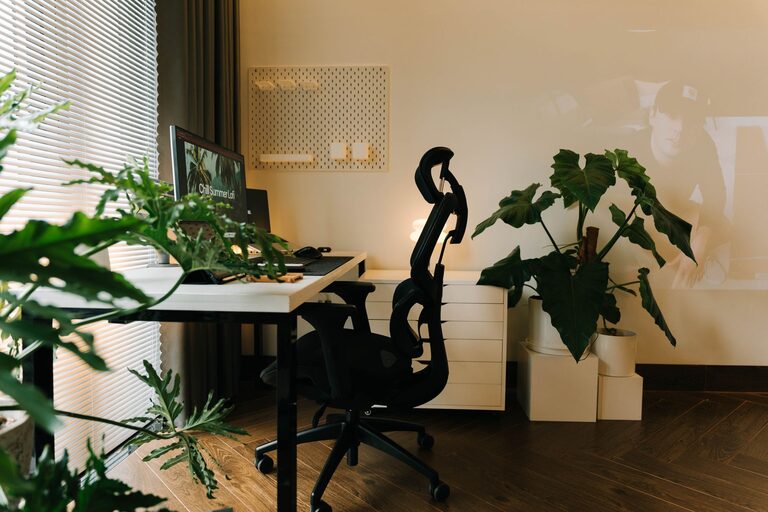
Creating a relaxing home workspace is essential for anyone looking to improve productivity while enjoying comfort throughout the workday. Whether you work from home full-time or need a designated area for focused tasks, having a space that promotes calm and efficiency can make a significant difference. Here are some practical tips to help you design a home workspace that supports productivity and feels inviting.
Choose the Right Location
Your workspace location plays a critical role in creating a relaxing environment:
– Find a low-traffic area: Select a part of your home where you can focus without frequent interruptions.
– Consider natural light: Position your desk near a window if possible. Natural light boosts mood and reduces eye strain.
– Think about privacy: If you share your home, choose a spot that provides some degree of privacy to maintain concentration.
Focus on Ergonomics for Comfort
Comfort is key to working efficiently without fatigue or discomfort. Ergonomic choices can help:
– Invest in a good chair: Choose one with proper lumbar support and adjustable features.
– Set your desk height: Your desk should allow your forearms to rest comfortably parallel to the floor.
– Position your screen correctly: The top of your monitor should be at or slightly below eye level to prevent neck strain.
– Use accessories: Consider ergonomic keyboards, mouse pads with wrist support, and footrests if needed.
Keep Your Space Clutter-Free and Organized
A tidy workspace helps keep your mind clear and focus sharp:
– Use storage solutions: Shelves, drawers, and bins can keep papers and supplies neat.
– Limit desk items: Only keep necessities on your desk to reduce distractions.
– Establish a routine: Spend a few minutes at the start or end of each day organizing your workspace.
Incorporate Relaxing Elements
Adding calming touches can reduce stress and improve your mood:
– Add plants: Indoor greenery not only brightens the space but can also improve air quality.
– Use calming colors: Soft tones like blues, greens, or neutrals create a soothing environment.
– Include personal touches: Photos, artwork, or meaningful objects can make the space feel welcoming.
– Consider aromatherapy: A subtle scent from essential oils or candles can promote relaxation (ensure it’s safe and appropriate for your workspace).
Manage Lighting for Productivity and Eye Comfort
Proper lighting is essential for both comfort and focus:
– Balance natural and artificial light: Avoid harsh glare and reduce eye strain with layered lighting.
– Use task lighting: A desk lamp focused on your work area can improve visibility.
– Consider adjustable lighting: Dimmable options let you tailor brightness throughout the day.
Create Boundaries to Support Work-Life Balance
Designing a clear separation between work and home life helps maintain mental well-being:
– Define your work hours: Stick to a schedule so work doesn’t spill over into personal time.
– Have a dedicated workspace: Avoid working in places associated with relaxation like your bed or couch.
– Signal the end of the day: Close your laptop and tidy your desk to mark the transition from work to leisure.
Utilize Technology Wisely
The right tools can streamline work without adding stress:
– Choose noise-cancelling headphones: These can help block distractions and improve focus.
– Organize digital files: Keep your computer files tidy and easy to access.
– Use productivity apps: Tools for task management and scheduling can keep you on track.
Maintain Comfort with Proper Temperature and Airflow
Your physical comfort matters for sustained productivity:
– Control temperature: Keep your workspace at a comfortable temperature, neither too hot nor too cold.
– Allow airflow: Fresh air circulation can keep you alert and reduce stuffiness.
Take Regular Breaks and Move
Even in a perfect workspace, breaks are essential:
– Follow the 20-20-20 rule: Every 20 minutes, look at something 20 feet away for 20 seconds to reduce eye strain.
– Stand and stretch: Move around regularly to avoid stiffness and boost circulation.
– Stay hydrated: Keep water nearby and drink frequently.
—
By thoughtfully designing your home workspace with relaxation and productivity in mind, you create a place where work feels less like a chore and more like a satisfying part of your day. Start with small changes, and personalize your space to fit your needs and preferences for the best results.