
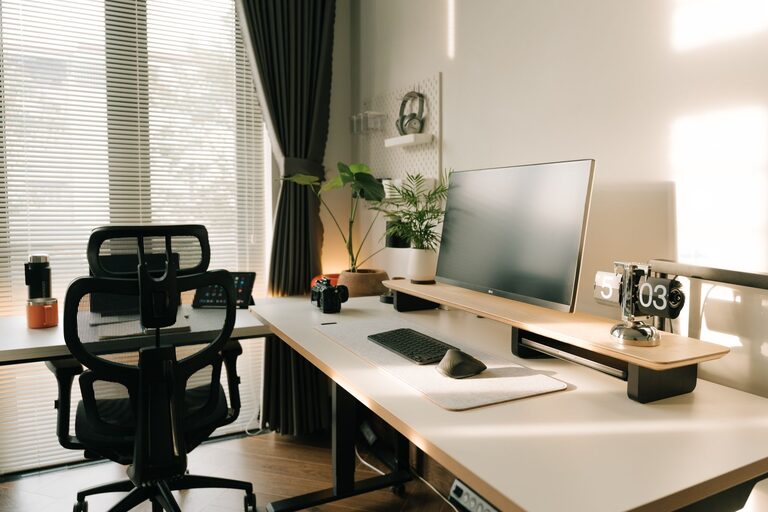
Creating a home office that feels both cozy and functional is key to staying motivated and comfortable throughout your workday. Whether you work remotely full time or need a dedicated spot for occasional projects, designing a space that suits your needs can boost productivity and reduce stress. In this guide, you’ll find helpful tips on how to create a workspace that is inviting and efficient.
1. Choose the Right Location
Consider Natural Light
Select a spot in your home with plenty of natural light. Natural sunlight helps improve mood and focus while reducing eye strain. If possible, position your desk near a window, but avoid direct glare on your screen.
Minimize Distractions
Pick a quiet corner or room away from household noise and high-traffic areas. This helps you concentrate better and maintain a professional feel during video calls.
2. Invest in Quality Furniture
Ergonomic Desk and Chair
Comfort is crucial for long hours at your desk. Choose an ergonomic chair with proper lumbar support and adjustable height. Pair it with a sturdy desk at the right height to maintain good posture and prevent fatigue.
Adequate Desk Space
Ensure your desk has enough space for your computer, paperwork, and essentials without feeling cluttered. A wide surface area helps keep everything organized and within reach.
3. Organize with Purpose
Storage Solutions
Use shelves, filing cabinets, or under-desk organizers to keep your supplies tidy. Labeling containers and folders can save time and reduce clutter.
Cable Management
Avoid tangled wires by using cable clips or sleeves. A clean workspace with organized cables looks professional and makes cleaning easier.
4. Personalize Your Space
Add Cozy Textures
Incorporate soft rugs, cushions, or a cozy throw to make the area feel warm and inviting. These touches can improve comfort and create a relaxing atmosphere.
Include Plants
Adding greenery not only beautifies your office but also improves air quality and creates a calming effect. Choose low-maintenance plants like succulents or pothos for easy care.
5. Optimize Lighting
Layer Lighting
Rely on a combination of ambient, task, and accent lighting. Use a desk lamp for focused work and soft overhead lights to reduce eye strain. Adjustable lighting options allow customization throughout the day.
Avoid Screen Glare
Position lights to prevent glare on your computer screen. Soft, indirect lighting can reduce eye fatigue and increase focus.
6. Set Boundaries
Define Work Hours
Even at home, it’s important to establish a work routine. Use your designated office space to signal when it’s time to work and when to relax.
Keep Work and Personal Life Separate
Avoid using your home office for non-work-related activities whenever possible. This helps maintain a clear mental boundary and improve productivity.
7. Use Technology Wisely
Reliable Equipment
Invest in a quality computer, headset, and webcam for seamless remote work or meetings. Reliable technology reduces frustration and technical issues.
Organize Digital Files
Keep your computer desktop and files organized to save time and reduce distractions. Use cloud storage for easy access and backups.
8. Maintain Cleanliness
Regular Tidying
Take a few minutes each day to tidy your workspace. A clean desk promotes clear thinking and efficiency.
Refresh Regularly
Update your workspace periodically by rearranging or adding new decor items. Small changes can refresh your mood and creativity.
—
Creating a cozy and functional home office is about balancing comfort, organization, and productivity. By following these tips, you can transform your space into a place you look forward to working in every day. Remember, your home office should reflect your personal style while meeting your work needs — making it a sanctuary for focus and creativity.