
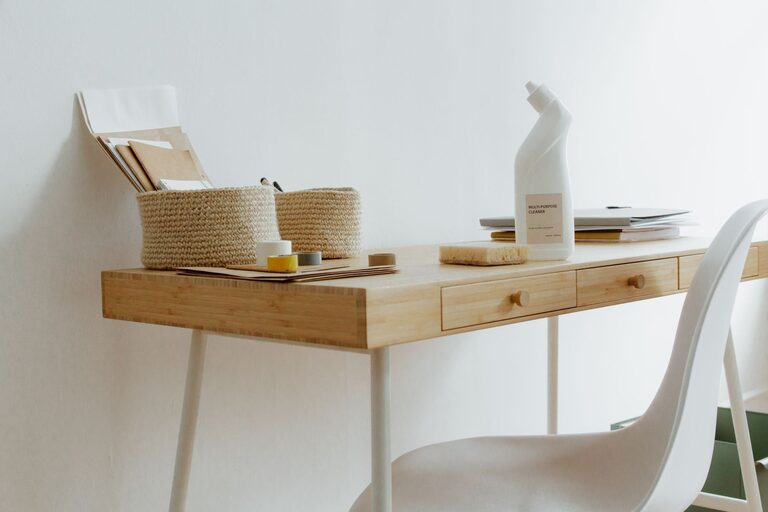
Creating a dedicated and organized home workspace can significantly improve your productivity and make working from home more enjoyable. Clutter and disorganization often lead to distractions and stress, making it harder to focus on tasks. Whether you have a whole room or just a corner, these tips will help you design a clutter-free, efficient workspace tailored for your needs.
Why a Clutter-Free Workspace Matters
A well-organized space promotes clear thinking and helps you stay on track with your work. When your workspace is tidy, it’s easier to find what you need, manage your time effectively, and maintain a professional mindset. Clutter, on the other hand, can create mental overload and reduce your motivation.
Step 1: Choose the Right Spot
Select a quiet area with good natural light if possible. Natural light enhances mood and energy, which are important for productivity. Avoid high-traffic zones to reduce distractions. Even a small corner can work if you design it thoughtfully.
Tips for Selecting a Workspace:
– Near a window for sunlight
– Away from noisy appliances or TV
– Near power outlets for charging devices
– Space to comfortably fit your desk, chair, and necessary equipment
Step 2: Invest in Functional Furniture
Your furniture should be both comfortable and practical. A good chair that supports your posture prevents discomfort, and a desk with enough space helps you keep your materials organized.
Important Furniture Features:
– Adjustable ergonomic chair
– Desk with drawers or shelving
– Adequate surface area for your computer and paperwork
– Cable management options to avoid tangles
Step 3: Declutter Regularly
Start by removing everything from your desk and only putting back essential items. Keep your workspace clear to minimize distractions.
How to Declutter Effectively:
– Sort items into categories: keep, toss, donate
– Store items used less frequently in drawers or shelves
– Limit decorative items to one or two to avoid visual clutter
– Develop a daily habit of tidying up your desk at the end of the day
Step 4: Use Smart Storage Solutions
Good storage keeps your space tidy and makes it easier to find things.
Storage Ideas:
– Desk organizers or trays for pens, notebooks, and office supplies
– Floating shelves or wall-mounted organizers to save floor space
– File organizers or filing cabinets for important documents
– Baskets or bins labeled by category for miscellaneous items
Step 5: Manage Cables and Electronics
Cables can create a tangled mess, leading to frustration and more clutter.
Cable Management Tips:
– Use cable clips or sleeves to group wires neatly
– Label chargers and cables for easy identification
– Place power strips under your desk or behind furniture
– Regularly unplug devices not in use to reduce cord clutter
Step 6: Personalize Thoughtfully
Adding personal touches makes your workspace more inviting and motivating, but keep it balanced.
Ideas for Personalization:
– A small plant for a touch of greenery and fresh air
– A framed photo or inspiring quote
– A desk calendar or planner for quick scheduling
– Soft lighting like a desk lamp with adjustable brightness
Step 7: Establish a Routine
A productive home workspace thrives on good habits. Set specific times for work, breaks, and tidying.
Routine Suggestions:
– Start your day by organizing your desk
– Use a timer or app to manage focused work sessions
– Take short breaks away from the desk to refresh your mind
– End the day by preparing your workspace for tomorrow
Step 8: Limit Digital Clutter
Your computer desktop and email inbox are part of your workspace too.
Digital Organization Tips:
– Keep desktop icons to a minimum
– Regularly delete or archive old emails and files
– Use folders for categorizing digital documents
– Close unused browser tabs to reduce distractions
Final Thoughts
Organizing a clutter-free home workspace takes some effort at first but pays off with increased focus and productivity. By carefully choosing your workspace, investing in functional furniture, implementing effective storage, and maintaining a consistent routine, you can create an environment that supports your work and wellbeing.
Remember, the goal is to design a space that suits your personal workflow and minimizes distractions. With these tips, you’re well on your way to a more organized and productive home office.