
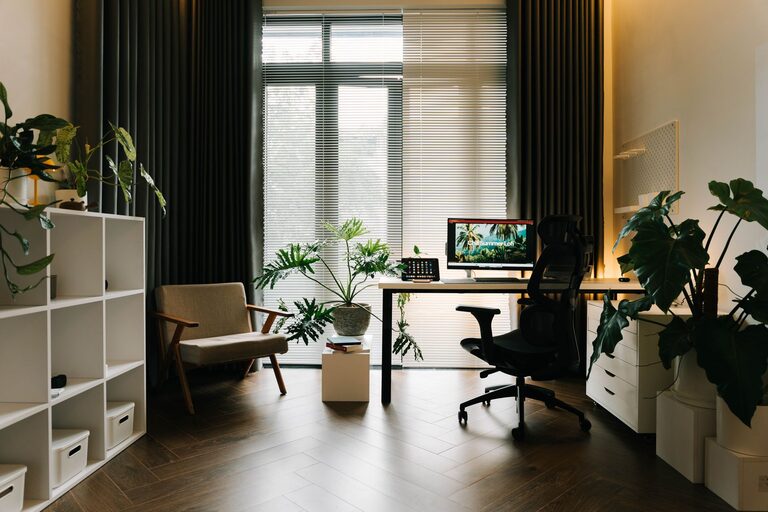
Creating a home office that feels cozy and functions well can make a big difference in your daily productivity and overall comfort. Whether you’re working full-time from home or just need a quiet spot for occasional tasks, a thoughtfully designed workspace helps reduce distractions and promotes focus. Here are some practical tips to help you craft a home office space that balances warmth and efficiency.
Choose the Right Location
The first step in setting up your home office is picking the best spot. Ideally, your workspace should be in a quiet area away from heavy foot traffic. If possible, pick a room with plenty of natural light—this not only brightens the space but also positively affects mood and energy levels.
If a separate room isn’t an option, consider carving out a dedicated nook within a larger living space. Use room dividers, bookshelves, or curtains to visually separate your office from other areas.
Prioritize Comfort with Ergonomic Furniture
Comfort is key when you spend hours working at a desk. Invest in an ergonomic chair that offers good lumbar support and adjustable height to prevent back strain. Pair it with a desk that fits your working needs—whether that’s a traditional desk, a standing desk, or one with adjustable height options.
Keep your computer screen at eye level to avoid neck strain, and consider using a separate keyboard and mouse if you’re working on a laptop. Adding a footrest or cushioned mat can enhance comfort, especially if you use a standing desk.
Use Warm and Inviting Decor
To make your office cozy, choose colors and decorations that make you feel calm and inspired. Soft, neutral colors like beige, light gray, or soft pastels contribute to a soothing atmosphere. Adding some personal touches such as artwork, plants, or photos can make the space feel welcoming without cluttering it.
Textiles like a plush rug, curtains, or cushions can soften a room and improve acoustics, reducing distracting echoes. If you enjoy scented candles or essential oils, a subtle fragrance can create a pleasant environment, but be sure to keep scents mild and non-intrusive.
Organize for Efficiency and Clarity
A cluttered workspace can make it harder to focus. Use storage solutions like shelves, drawers, and organizers to keep your desk clear. Designate spots for frequently used items, and label containers to make finding things quicker.
Cable management is another important aspect—use clips, cable sleeves, or under-desk trays to keep cords neat and out of sight. Not only does this improve aesthetics, but it also makes cleaning easier and prevents tangling hazards.
Ensure Proper Lighting
Good lighting reduces eye strain and creates a productive atmosphere. Natural daylight is best, but supplement with layered lighting such as a desk lamp with adjustable brightness and overhead lighting.
Choose bulbs with a color temperature around 4000K to 5000K for a neutral white light that mimics daylight. Avoid harsh fluorescent lights, and consider adding a dimmer switch to adjust brightness levels throughout the day.
Incorporate Technology Thoughtfully
Keep your technology setup functional but simple. Use a reliable computer or laptop, a quality monitor, and a good pair of headphones for calls or focus. If you frequently join online meetings, invest in a webcam and microphone with clear audio and video quality.
Charging stations and wireless chargers can reduce cable clutter. Consider smart plugs or outlets that let you schedule power to devices, helping save energy.
Add Greenery for Freshness and Focus
Indoor plants refresh the air and boost mood. Choose low-maintenance varieties like snake plants, pothos, or succulents that don’t require constant care.
Place plants near natural light sources or use LED grow lights if your office lacks windows. Even a small plant on your desk can contribute to a more inviting and productive workspace.
Create Boundaries and Routine
When working from home, separating your work area from personal space helps maintain balance. Try to “close” your office at the end of the workday, whether by shutting a door or covering your desk.
Establish routines that signal the start and end of your workday, such as adjusting your lighting, changing your clothes, or adding and removing desk accessories. These habits support focus and help you mentally transition between work and relaxation.
—
By thoughtfully combining comfort, functionality, and style, your home office can become a place you enjoy spending time in. Start with what fits your space and budget, and gradually personalize your office to support your best work each day.